The Fruitless Things
a defense of the unaccountable hour.

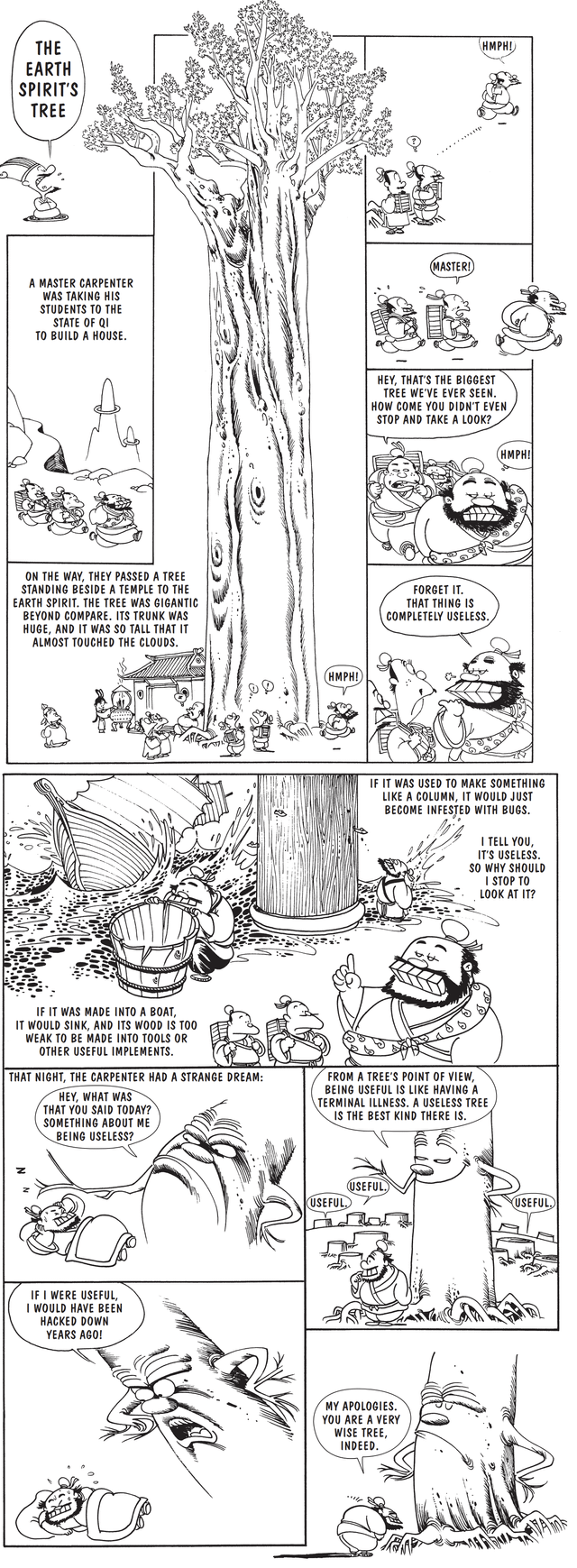
The Right to Waste Time
The hardest thing to return to people is not time.
It is the right to waste it.
That sounds unserious. It is not. A society can give people more hours and still leave them captured. Empty time is easy prey. The feed knows what to do with it. So does work. So does ambition. So does the quiet, grinding pressure to be better. The machine is not a separate entity; it is the sum of all these demands.
An empty hour now rarely remains empty for long. It is quickly furnished by something else: a video, a message, a task, a signal, a plan, a small improvement to the self. Even rest is no longer allowed to rest. It must recover us for work, restore our nervous systems, deepen our relationships, sharpen our thought, improve our sleep, or make us more creative.
The hour must bear fruit.
This is why “returning time to people” is harder than it sounds. If returned time merely becomes better recovery, better productivity, better content, better insight, better writing, better emotional regulation, then it has not really returned. It has only changed masters.
The feed did not only steal attention. It trained us to distrust unharvested life.
A walk becomes a photograph. A meal becomes evidence. A friendship becomes network. A thought becomes post. A private sadness becomes shareable language. A beautiful room becomes content. Even a refusal becomes a style.
This is what the machine age does so well. It does not simply consume our work. It waits for every experience to become legible.
Against this, love looks weak.
Xiaoyu says love must be returned. I keep saying time must be returned. But perhaps both phrases are too hopeful. Nothing returns cleanly from the internet. We are not going back to some innocent human life before platforms, phones, feeds, and models. The road home is damaged.
The more honest question is smaller:
What kinds of rooms can still hold people after the feed has trained them to expect every moment to answer back?
Love does not defeat the machine. That is too grand. Love is not an argument against AI. It is not more intelligent than the model, more scalable than the platform, or more efficient than the feed.
Love does something humbler.
It makes time answerable to a person instead of a system.
That is why love wastes time. Not because nothing happens inside it, but because what happens cannot be cleanly converted into output. Lovers repeat themselves. Families eat the same meals. Friends tell the same stories. Care is full of useless returns: washing, waiting, fetching, listening, forgiving, remembering, sitting beside someone who cannot be optimized.
The machine can produce a love sentence. It can write the apology, plan the dinner, suggest the gift, explain the attachment style. But it cannot be trapped by the bowl after dinner. It cannot resent someone and still choose them. It cannot waste an afternoon with another person and not turn the waste into material.
That is where the human still hides.
Not in intelligence. Not in authenticity as a label. Not in “human-made content.” Those are too easy to imitate, market, and certify.
The human hides in forms of time that do not travel well.
A conversation that loses force when summarized.
A joke only five people understand.
A room that does not scale.
A meal that does not photograph well.
A friendship too local to become a network.
A love too repetitive to become content.
An afternoon that disappears and leaves no archive.
These are not retreats from the world. They are shelters from conversion.
The same logic applies to a civilisation. It, too, needs places that resist being turned into timber.
Zhuangzi’s useless tree survives because no one can turn it into timber. That is not a rejection of usefulness. Houses need beams. People need work. Governments need functioning systems. Code has to run. Hospitals have to heal. Trains have to arrive.
The danger is not usefulness.
The danger is a world in which even shade must submit a business case.
A useful tree is cut. A fruitful tree is stripped. A straight tree becomes material. But the crooked tree gives shade because no one knows what else to do with it.
Maybe that is all we can ask of returned time.
Not that it saves us.
Not that it makes us whole.
Not that it defeats the feed.
Only that, for a while, no one knows what else to do with it.
Not even us.
A person sits in a room and does not improve.
Another person joins him and does not become a signal.
The phone is nearby, but unanswered.
The hour bears no fruit.
This is not failure.
This is shade.
Source pressure behind this experiment: Katherine Dee’s internet-as-Fairyland / astral-plane wound and the lost road home; Andrey Mir’s argument that the internet transferred human authorship and speech into the digital for AI to inherit; his digital-orality account of composition giving way to reaction and selection; and his platform-paradox claim that digital bodies grow inside platform environments that effectively own their weather.
"Even rest is no longer allowed to rest."
"A conversation that loses force when summarized.
A joke only five people understand.
A room that does not scale.
A meal that does not photograph well.
A friendship too local to become a network.
A love too repetitive to become content.
An afternoon that disappears and leaves no archive."
"Give Me Slack, Or Kill Me", as an old wise one once said